why do people buy fake pounds note in UK
Ever get that nagging feeling when you're handed cash? That little voice in your head asking, "Is this real?" The buzz about fake pound notes circulating in the UK is more than just a whisper; it's a genuine concern that touches on why people might even be tempted to buy fake UK notes, the real sting it delivers, and crucially, how you can dodge the bullet. Let's dive into this murky world of counterfeit cash.
Key Takeaways
Financial desperation is a major driver for people seeking out fake pound notes in the UK, often without fully grasping the perilous risks involved.
Organized criminal syndicates are the masterminds behind much of the counterfeit currency, using it as fuel for their illicit enterprises.
Getting caught with or attempting to spend counterfeit money in the UK carries severe legal repercussions.
Genuine Bank of England notes boast sophisticated security features, such as watermarks and color-shifting ink, which are incredibly difficult to replicate convincingly.
Your best defense against fake pound notes in the UK is to stay sharp, scrutinize your change, and exercise caution with online purchases.
Why the Allure of Fake Pounds?
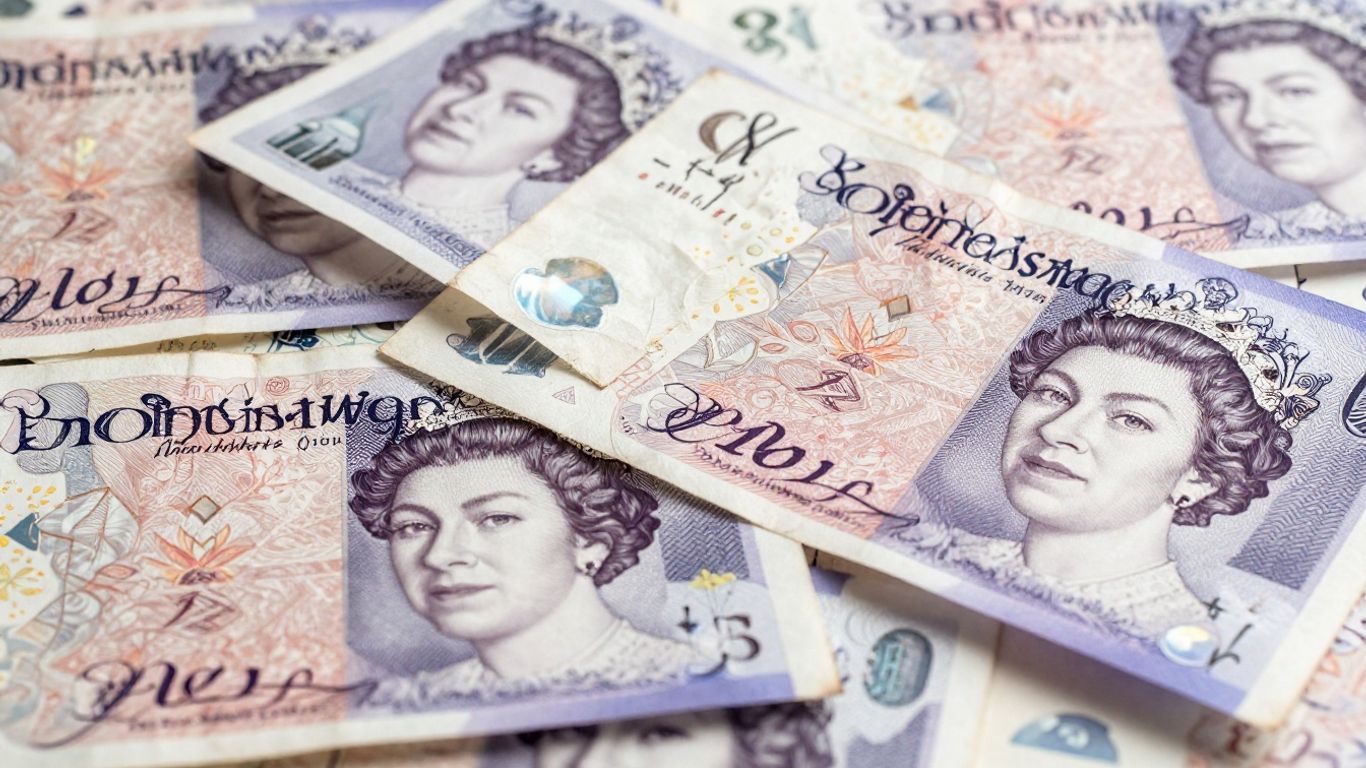
It might seem baffling, but there are compelling reasons why fake pound notes find their way into circulation. It's not always about shadowy figures; often, it's about people trying to survive or, sadly, falling victim to deception.
The Pinch of Financial Strain
Let's face it, life can throw curveballs, and financial hardship can be brutal. When the pressure mounts and bills pile up, the thought of using counterfeit money, even with the inherent risks, can become a desperate consideration. It's a path often taken out of sheer necessity, not malice. Imagine the gut-wrenching feeling of trying to buy groceries or pay rent when your funds are critically low. In such moments, a fake note might seem like a temporary lifeline, a way to bridge the gap until things improve. It's a stark reality that economic struggles can push individuals toward dangerous choices.
The Shadowy World of Criminal Enterprises
Then there are the organized crime groups who orchestrate the production and distribution of these fake notes. For them, it's a calculated, albeit illegal, business. Their motive isn't survival; it's profit, achieved by flooding the market with worthless currency. This illicit cash often becomes the funding for other nefarious activities, perpetuating a cycle of crime that impacts us all. They exploit the system and unsuspecting individuals for their own gain, running a sophisticated operation that churns out these fake notes.
The Unwitting Victim and Deceptive Deals
Not everyone involved is a willing participant in crime. Many people become unwitting victims of scams. They might purchase items online from dubious sellers or accept change from someone trying to offload fake notes quickly. Sometimes, individuals seeking a bargain might unknowingly end up with counterfeit currency. Attempting an honest transaction only to be handed fake money is a distressing experience. You might not even realize you've been duped until much later, underscoring the critical importance of checking any notes before a transaction is finalized.
The ripple effect of counterfeit currency extends far beyond the notes themselves. It erodes trust in our financial system and can lead to tangible losses for everyday people and businesses. Understanding the 'why' behind these notes is your first line of defense in protecting yourself and the broader economy.
The Rising Tide of Counterfeit Sterling
It feels like you hear about it more and more, doesn't it? The issue of fake money, particularly counterfeit pounds, is becoming a significant headache for everyone. This isn't just a minor nuisance; it's a growing problem that affects shoppers, businesses, and the economy as a whole. While the Bank of England works tirelessly to secure our currency, counterfeiters are constantly evolving their tactics.
A Glimpse at Seized Counterfeit Notes
The statistics can be quite eye-opening. Despite the Bank of England's advancements with new polymer notes, counterfeiters remain active. In 2024, the Bank of England removed approximately 91,000 fake banknotes, valued at around £1.9 million, from circulation. While this figure might seem substantial, it represents a minuscule fraction—less than 0.0019%—of the total notes in circulation. Nevertheless, it's a clear indication that counterfeiting persists. Although the introduction of more robust polymer notes and increased law enforcement efforts have significantly improved the situation since 2019, ongoing vigilance is essential.
The Economic Fallout of Fake Currency
When counterfeit money infiltrates the financial system, it creates damaging ripples. Businesses suffer direct losses, as counterfeit notes are essentially worthless. It also erodes consumer confidence; if people become wary of the cash they handle, they may reduce spending, which is detrimental to economic health. Furthermore, significant resources are expended by law enforcement and financial institutions to detect and remove fake currency from circulation—resources that could be allocated elsewhere. The integrity of our currency is fundamental to a thriving economy.
The Erosion of Trust
This is a critical concern. If you've ever felt a pang of doubt about the authenticity of a note you've just received, you're not alone. This uncertainty can breed suspicion in everyday transactions, making them feel riskier than they should. For businesses, particularly smaller ones, accepting a counterfeit note can represent a substantial financial blow. This highlights the importance of being familiar with the security features of genuine banknotes to feel confident about the money you accept. If you're looking to buy high-quality counterfeit notes that are hard to detect, there are places that offer them, but it's a risky business.
The ongoing battle between sophisticated security features and evolving counterfeiting techniques means that vigilance is paramount for everyone. It's not just a concern for major financial institutions; it's about everyday individuals being informed and knowing what to look out for.
The Legal Minefield of Fake Pounds
Let's get down to brass tacks: acquiring fake pound notes isn't just a minor infraction; it's a serious criminal offense. UK law is unequivocal on this matter, and the consequences can be life-altering. Potential prison sentences and hefty fines are just the beginning.
Penalties Under the Forgery and Counterfeiting Act
The cornerstone legislation in this area is the Forgery and Counterfeiting Act 1981. This act meticulously outlines prosecutable offenses, including the creation of counterfeit notes, passing them off as genuine, or simply possessing them with the intent to use them. The maximum penalty for these offenses can be up to ten years imprisonment. This represents a significant loss of personal freedom. Furthermore, courts can order the confiscation of assets under the Proceeds of Crime Act 2002, meaning any property deemed to have been acquired through illegal activity can be seized.
Consequences Beyond Legal Sanctions
Even if one avoids the most severe prison sentences or manages to pay any imposed fines, the repercussions extend far beyond the immediate legal penalties. A criminal record for forgery or counterfeiting can create formidable obstacles in the future. It can impede your ability to secure certain employment opportunities, particularly those requiring a high degree of trust or security clearance. International travel can also become significantly more complicated, as many countries scrutinize individuals with such convictions. It's a lasting mark that can impact opportunities you might not even consider at present.
The Long Shadow of a Criminal Record
To be absolutely clear: a conviction related to counterfeit currency carries profound consequences, far exceeding those of a minor traffic violation. Such a record can severely restrict your future prospects. Consider the implications for applying for a mortgage, renting an apartment, or even obtaining a mobile phone contract—these everyday necessities can become considerably more challenging. It serves as a stark reminder that while purchasing fake money might appear to be a quick solution for some, the long-term costs are exceptionally high. Whenever you encounter an attractive cash offer, especially online, it's crucial to remember the potential risks associated with purchasing counterfeit GBP. A minor motoring offense. Such a record can significantly restrict your future opportunities. Think about applying for a mortgage, renting a flat, or even just getting a new phone contract—these things can become much harder. It’s a stern reminder that while buying fake money might seem like a quick fix for some, the long-term costs are incredibly high. Whenever you come across an attractive cash offer, particularly online, keep in mind the potential risks associated with purchasing counterfeit GBP.
Here's a stark overview of what you could face:
Manufacturing or attempting to manufacture counterfeit notes.
Passing off or tendering counterfeit notes as genuine.
Possessing counterfeit notes with the intent to pass them on.
Owning equipment specifically designed for counterfeiting.
It's crucial to understand that ignorance is rarely a valid defense. If you are found in possession of fake notes and cannot demonstrate that you were unaware of their counterfeit nature or had no intention of using them, you could still face serious legal repercussions. Authorities view any involvement in the counterfeit trade, even as a purported buyer, with extreme seriousness.
Spotting the Real Deal: Bank of England Notes
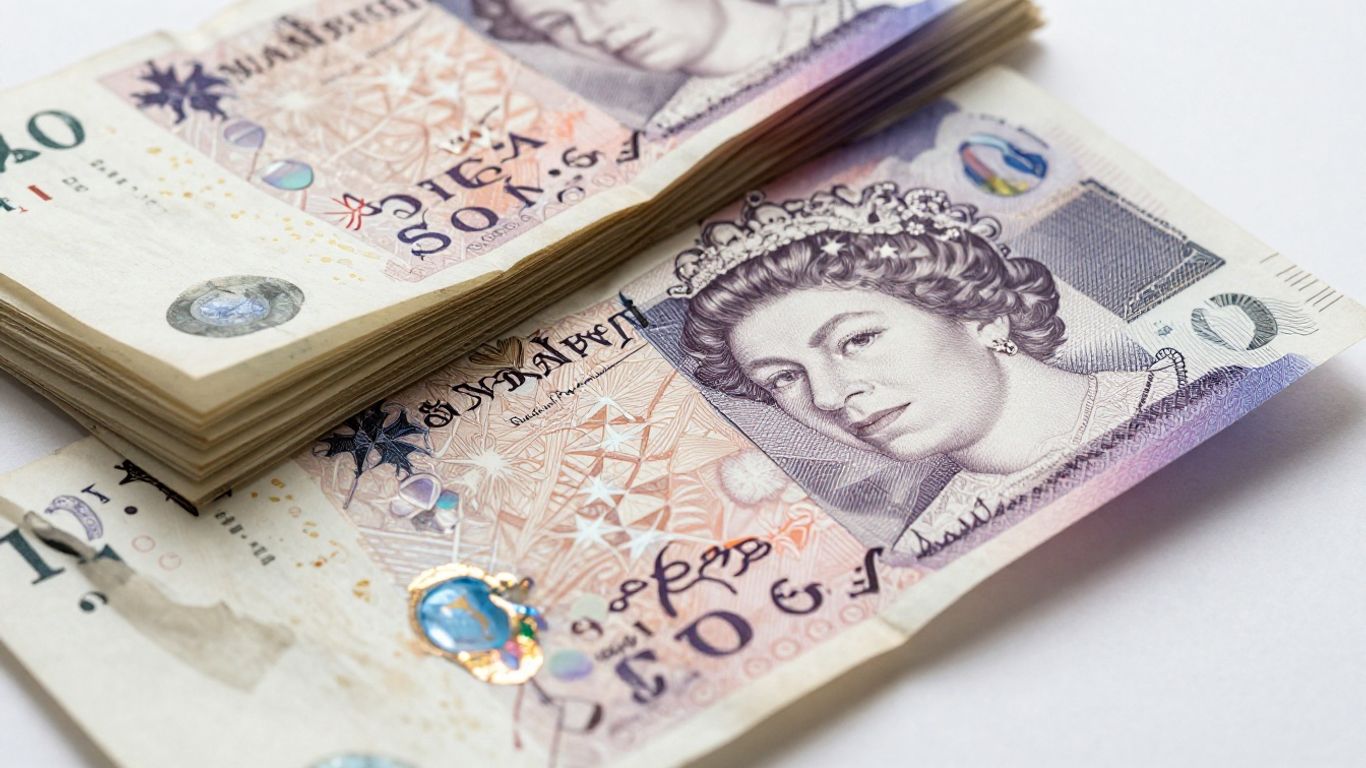
It's a common worry, isn't it? Being handed cash and feeling uncertain about its authenticity, especially with the chatter about fake notes. Fortunately, the Bank of England invests heavily in making their notes incredibly difficult to counterfeit. Identifying a fake usually isn't about a single giveaway sign but rather a combination of checks. The most effective method is to compare a note you're unsure about with one you know is genuine, allowing you to discern the subtle differences.
Essential Security Features to Scrutinize
When examining a banknote, several security features warrant your attention. Relying on just one is unwise, as counterfeiters might successfully replicate a single feature, but replicating them all is highly improbable. Aim to check a few of these:
The Tactile Feel of the Print: Genuine notes often feature raised print. Running your finger over it should reveal a slightly rough texture. The lines should be crisp and well-defined, not fuzzy or blurred.
Unique Serial Numbers: Every genuine note bears a unique serial number. If you encounter two notes with identical numbers, one is undoubtedly counterfeit.
Color-Changing Ink: Many notes incorporate special ink that shifts color when the note is tilted. This is a particularly challenging feature for counterfeiters to replicate accurately.
Microtext: Examine the note closely, often near portraits or borders. You should be able to discern extremely small, sharp text that requires magnification to read clearly.
Understanding Watermarks and Security Threads
Two of the most prevalent security features are watermarks and security threads, integrated into the note during its production, making them exceptionally difficult to fake convincingly.
Watermarks: Hold the note up to a light source. You should observe a faint image, typically a portrait or a numeral, which appears lighter than the surrounding paper. This is not printed on the surface but is an integral part of the paper itself.
Security Threads: This is a thin, solid line embedded vertically within the note. When held against the light, it should appear as an unbroken dark line. On newer polymer notes, this thread may bear printed text, visible when illuminated.
The Nuances of Color-Changing Ink and Microprint
Beyond basic tactile and visual inspections, more advanced security elements are employed. The Bank of England utilizes sophisticated techniques to ensure the security of its notes. For instance, the color-shifting ink serves as a key indicator. On the £20 note, the numeral '20' in the lower right corner transitions from purple to green when the note is tilted. Microprint, as previously mentioned, involves incredibly small text. You might find it appearing as a series of repeating words, such as 'Bank of England,' along lines or borders. If the text is indistinct or appears as a solid line, it is likely a counterfeit. Remember, these notes are engineered for durability, so if anything feels amiss, it warrants further investigation. Comparing it with a known genuine note from a trusted source, such as a bank or a reputable vendor selling realistic prop money for specific, legal uses, is always a wise step.
It's important to remember that while counterfeit notes are relatively rare, they do exist. The vast majority of fake currency is intercepted before it enters general circulation. However, familiarizing yourself with these security features is your most effective defense against inadvertently accepting a counterfeit. If you do end up with a note you suspect is fake, the recommended course of action is to present it to your local police station or a bank.
Fortifying Yourself Against Fake Pounds
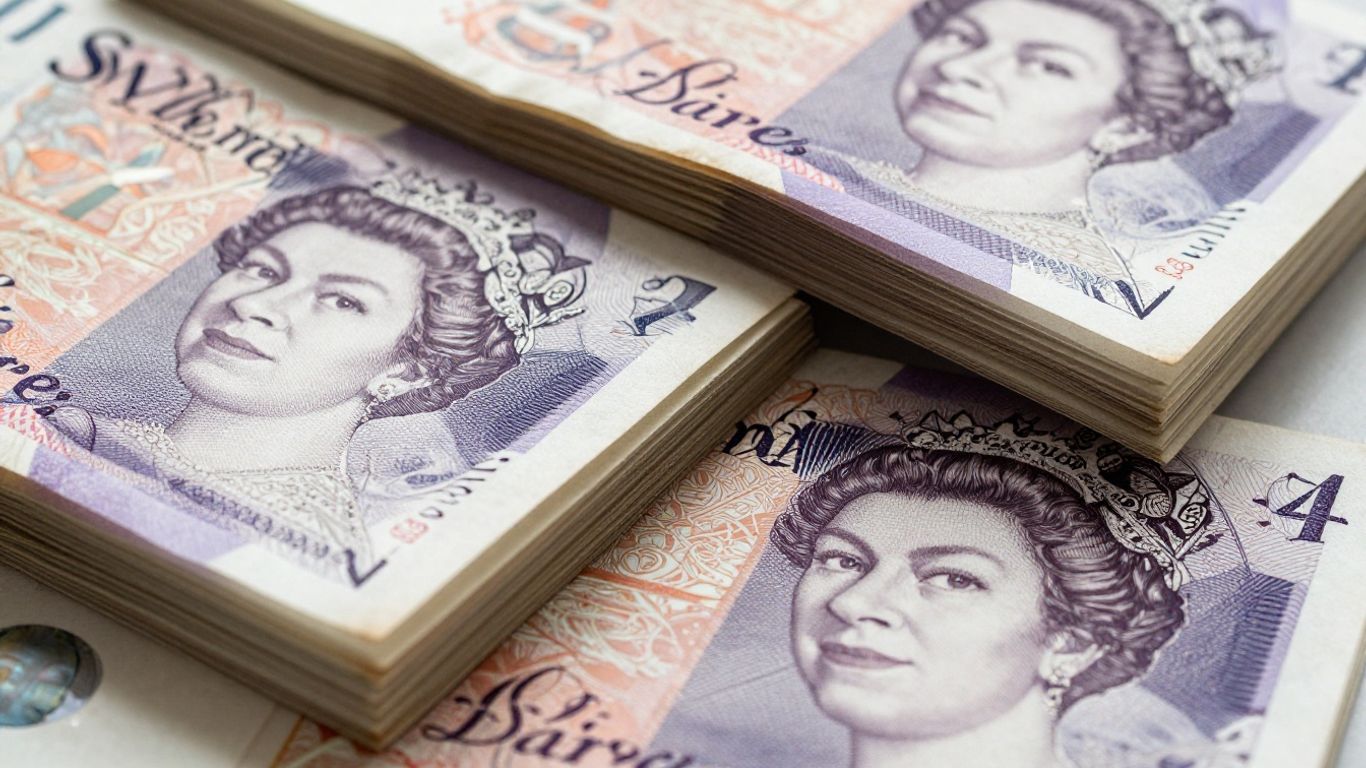
The thought of accidentally ending up with counterfeit money is unsettling, isn't it? Thankfully, there are straightforward measures you can take to protect yourself. It all boils down to being more mindful when handling cash.
Cultivating Vigilance When Accepting Cash
When you receive money, especially in larger amounts, take a moment to inspect it. Don't just quickly stash it away without a second thought. A swift inspection is your best defense. Look for the security features embedded in genuine Bank of England notes. These aren't mere decorations; they are designed to be exceptionally difficult to replicate. Consider the watermark: hold the note up to the light, and a clear image should be visible. Then there's the security thread, a dark line running through the paper. Some notes even feature ink that changes color when tilted. While it might seem like a lot to remember, these checks become second nature with practice.
Prioritizing Trusted Vendors and Retailers
This is particularly crucial when shopping online or dealing with less established sellers. Stick to businesses you know and trust. If a deal appears too good to be true, it almost certainly is. Consider the source of your purchases. Are you buying from a reputable shop with a solid track record or a random individual on social media? It's always safer to patronize established businesses that have their own security protocols. If you're seeking specific items, it's wiser to pay a bit more from a known source than to risk acquiring counterfeit currency. You can find more information about genuine banknotes on the Bank of England’s website.
Exercising Caution with Online Transactions
The online realm can be a breeding ground for deception. People attempt to sell a wide array of items online, unfortunately including counterfeit cash. Exercise extreme caution if you encounter advertisements for cheap banknotes; these are frequently scams. While the temptation might be strong, especially if you're facing financial difficulties, the risks are immense. You could lose money without receiving anything, or worse, find yourself in possession of fake notes. Always utilize secure payment methods and be wary of anyone requesting payment through unconventional means, such as cryptocurrency or direct bank transfers to unknown individuals. The risk simply isn't worth it.
The circulation of counterfeit currency poses a threat not only to individuals but also to businesses and the broader economy. It can result in lost revenue for legitimate enterprises and undermine public trust in the financial system. Staying informed and vigilant is key to protecting everyone.
What to Do If You Suspect Counterfeit Currency
So, you suspect you've been handed a dodgy note? It happens, and it's an unpleasant realization. The most important thing is to remain calm and know the correct procedure. Crucially, do not attempt to pass it on to someone else, as this could lead to serious legal trouble for you. While it might seem like a quick way to get rid of it, the risk is far too great.
Immediate Steps Upon Discovery
If you realize you've received a fake pound note, follow this straightforward plan:
Do not use it: Set it aside immediately. Attempting to spend it is illegal and carries severe consequences.
Document its origin: Try to recall precisely where and when you obtained the note. Was it from a specific shop, an ATM, or an individual?
Secure it: Handle it as little as possible. Place it in an envelope or a secure location to preserve any potential evidence.
It's easy to feel flustered when you suspect you've been deceived, but acting promptly and correctly can make a significant difference. The objective is to prevent the counterfeit from circulating further and to aid authorities in tracking down those responsible.
Reporting Suspicious Activity to the Authorities
Once you have secured the suspected counterfeit, it's time to inform the relevant authorities. You have a couple of options, depending on how you acquired the note.
If received from a bank or business: Present the note to any branch of the bank it purports to be from. They have established procedures for handling such items and will typically provide you with a form to retain. They will then forward it for analysis.
If received from an individual or if the source is unknown: Your best course of action is to contact the police. You can report fraud by calling 0300 123 2040, Monday to Friday, between 8 am and 8 pm. If calling from abroad, use +44 300 123 2040. They will provide guidance on the subsequent steps.
The Importance of Keeping Records
Meticulous record-keeping is essential. When you hand over a suspected counterfeit note, ensure you obtain some form of receipt or documentation. If you took it to a bank, they will issue you a copy of the 'Retention of Counterfeit Currency Form.' If you reported it to the police, make a note of the crime reference number. This documentation serves as proof of your responsible actions and helps protect you from potential accusations. It's all about thoroughness and ensuring you follow the correct procedures when dealing with potentially fake currency.
The Bottom Line
While it might seem like a quick fix for someone in a tight spot, resorting to buying fake pounds is not a viable solution. It's illegal, fraught with risk, and ultimately fuels further criminal activity. Moreover, you could face severe legal consequences yourself. The most prudent approach is always to rely on legitimate financial channels and to be knowledgeable about the security features of real banknotes. If you ever encounter a suspicious note, resist the urge to pass it on—report it. This action contributes to maintaining a more trustworthy financial system for everyone.
Frequently Asked Questions
Why do people even bother with fake money?
Sometimes, people might be really struggling with money and think fake cash is a quick fix. Other times, it's part of bigger criminal plans. And honestly, some people might not even realize they've been tricked into buying fake notes.
Is it against the law to have fake money?
Absolutely. It's illegal to make, use, or even just keep fake money. If you're caught with it, you could face some serious trouble, like big fines or even jail time.
How can I tell if a pound note is real?
Genuine Bank of England notes have special security features. Look for things like a watermark, a shiny security thread running through the note, ink that changes color when you tilt it, and tiny writing that's hard to see without a magnifying glass.
What should I do if I think I've been given a fake note?
The most important thing is not to try and spend it. Take it to your local police station straight away. They'll know what to do with it and can help investigate.
How do the police catch people making fake money?
The police and other authorities use special tools and have trained experts to spot fake cash. They also work with banks and other countries to track down and stop these illegal operations.
Can I get my money back if I accidentally receive a fake note?
Sadly, no. Fake money is worthless, so if you get one and don't realize it until later, you won't get your money back. That's why it's so important to check your notes carefully.


Comments
Post a Comment